July Fourth Typography Review
As an embroidery designer and product reviewer, I often find myself evaluating digital files for real-world use. July Fourth Typography caught my attention as a potential addition to my collection of holiday-themed designs. The file includes SVG, PNG, DXF, and EPS formats, all in a ZIP download. While the product description is straightforward, it's the practical application that matters most when considering its value for real projects.
The First Impression
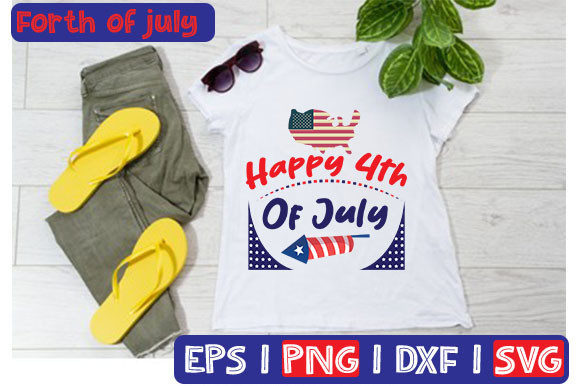
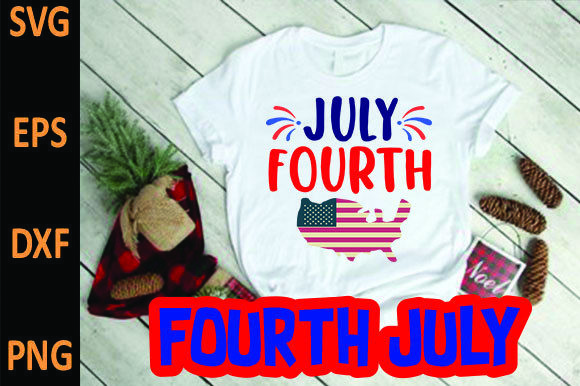
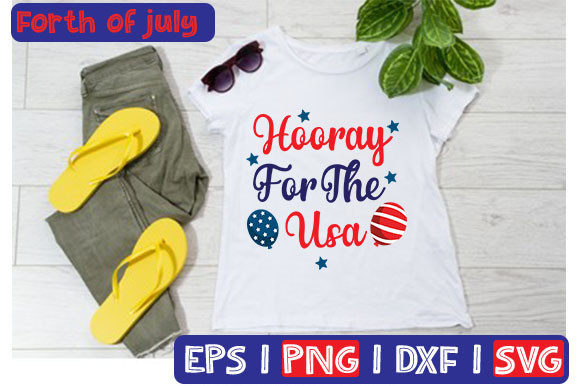
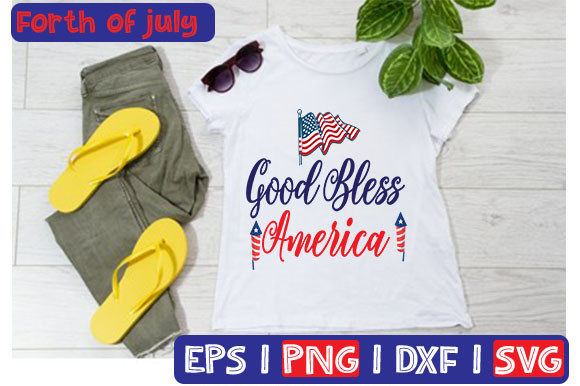
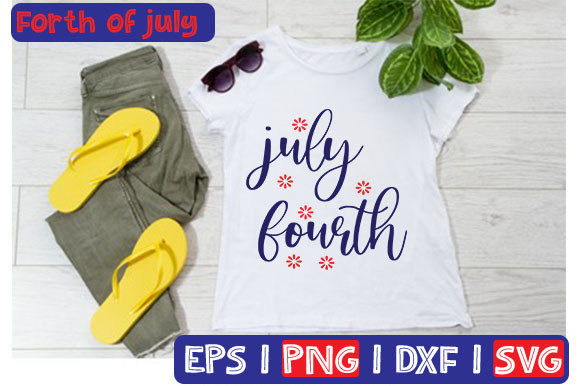
July Fourth Typography immediately evokes a sense of patriotism and celebration. The design features bold, clean lettering with a classic American feel. The layout is simple but effective, making it ideal for t-shirts, tote bags, and other apparel items. The shapes are well-proportioned, and the overall aesthetic feels timeless rather than trendy. It’s the kind of design that can be used year after year without feeling outdated.
The theme is clear—American independence, freedom, and celebration. This makes it a strong candidate for holiday-specific products, especially around the Fourth of July. However, its simplicity also means it might not stand out in a crowded market unless paired with unique fabric choices or color schemes.
Real-World Embroidery Use Cases
When considering July Fourth Typography for real embroidery projects, I think about how it would translate onto different materials. For example, if I were creating a custom embroidered tote bag for a client, this design could work well. The lettering is large enough to be visible from a distance, and the simplicity ensures it won’t get lost in the fabric texture.
For sweatshirts and t-shirts, the design holds up well. The stitch density isn’t too high, which helps prevent puckering or distortion on stretchy fabrics. However, I’d recommend using a proper stabilizer, especially if working with thin or lightweight materials. This design could also be adapted into an applique design, depending on the desired effect.
On baby clothes, the design is appropriate but might need some tweaking for smaller sizes. Tiny lettering could become illegible if not adjusted properly. Similarly, when considering caps or hats, the hoop size required for this design might be a consideration. Smaller hoops can sometimes limit the complexity of the design, so testing is essential before committing to a project.
Where to Be Cautious
While July Fourth Typography is versatile, there are areas where caution is advised. On textured fabrics, such as denim or canvas, the design may not sit as smoothly as it would on a smooth cotton tee. The same goes for dark fabrics—ensuring thread color contrast is crucial to avoid the design blending into the background.
For curved surfaces like caps, the design may require some reworking to fit the contour. If you're planning to use it on a patch, the corners and edges should be inspected closely to ensure they don’t look distorted after stitching. Dense stitch areas can cause the fabric to pucker, so checking the stitch density is a must.
If you're using this design for commercial embroidery projects, make sure the licensing allows for resale or redistribution. Always confirm the terms before selling finished products or digital files.
Visual Appeal and Practical Value
July Fourth Typography adds visual appeal to any project it’s used on. Its clean lines and patriotic theme make it instantly recognizable, which is great for brand consistency. When used on personalized gifts or handmade products, it can elevate the perceived value of the item, especially if paired with quality fabric and stitching.
From a customer perspective, the design is likely to be well-received, particularly during the summer months. It’s a safe choice that resonates with many people, making it a solid option for Etsy sellers or small shop owners looking for reliable holiday content.
However, the design’s simplicity also means it requires thoughtful execution. A poorly executed embroidery job can make even the best design look cheap. That’s why testing the design on scrap fabric first is always a good idea. It allows you to check the stitch density, thread colors, and overall appearance before committing to a final project.
Embroidery Designer Notes
As someone who regularly works with machine embroidery designs, I always start by testing the file on a sample piece of fabric. This helps identify any issues with the design, such as tight corners or areas that may not stitch well. For July Fourth Typography, I’d recommend running a test on both light and dark backgrounds to see how the design performs in different conditions.
Another important step is checking the hoop size. If the design is too large for your hoop, you may need to split it into sections or adjust the size accordingly. This can affect the overall look, so it’s worth considering before starting the actual embroidery.
Thread color selection is also key. If you’re using this design for a commercial project, make sure the colors match the intended fabric. A mismatch can make the design look unprofessional. Additionally, if you plan to sell the finished product, always verify the licensing terms to avoid any legal issues down the line.
For craft businesses or Etsy sellers, July Fourth Typography can be a valuable addition to your design assets. It’s suitable for printable mockups, digital product previews, and custom apparel. Just remember to present it in a way that highlights its strengths while addressing any potential limitations.
Final Thoughts
July Fourth Typography is a solid choice for embroidery designers and small business owners looking for a reliable, patriotic design. It’s easy to work with, visually appealing, and adaptable to a variety of projects. Whether you're creating a custom t-shirt, a holiday gift, or a boutique product, this design has the potential to add value and appeal to your offerings.
That said, it’s important to approach it with practicality in mind. Testing, proper stabilization, and attention to detail will ensure the best results. With the right execution, July Fourth Typography can be a go-to design for many embroidery projects, especially those centered around celebration and tradition.